[vc_row row_type=”row” content_width=”full-width” anchor=”” content_aligment=”left” css_animation=””][vc_column][vc_column_text]
Textiles Quality Control Standards and Testing Procedures
[/vc_column_text][/vc_column][/vc_row][vc_row row_type=”row” content_width=”full-width” anchor=”” content_aligment=”left” css_animation=””][vc_column][vc_column_text]
At Fab Textile, all materials undergo two forms of testing. Initial testing is done when a new product, process, or supplier is accepted. These tests lead to the development of quality standards, which our suppliers take responsibility for meeting. From that point on, materials are checked on a random basis to see that suppliers adhere to the quality standards. Quality is checked at suppliers, as materials are received in our facilities, and throughout production.
All Fab Textile are tested for their ability to stand up to the kind of wear they are likely to get in actual use, including fire retardancy, elongation, strength, and color transfer. Qualities such as surface texture, pattern, ability to absorb or reflect light, ability to conform to product, and ability to respond within an environment when placed next to woods, laminates, glass, carpeting, painted surfaces, or other textiles are also taken into consideration.
When possible, our test procedures conform to the methods established by the American Society for Testing and Materials (ASTM). Herman Miller strives to meet and exceed all industry standards pertaining to our products.
The Association for Contract Textiles (ACT) has developed five symbols that assure contract fabrics perform to industry standards and pass all applicable testing. These symbols are included on all Herman Miller textile swatch cards where applicable:
[/vc_column_text][/vc_column][/vc_row][vc_row row_type=”row” content_width=”full-width” anchor=”” content_aligment=”left” css_animation=”” css=”.vc_custom_1481719197214{margin-top: 30px !important;}”][vc_column][vc_column_text]
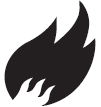 Flame resistance (fabric’s ability to resist burning)
 Crocking resistance (fabric’s colorfastness and ability to retain color is various conditions)
 Ultra-violet light resistance (fabric’s resistance to fading when exposed to light)
 Physical properties (fabric’s resistance to pilling, seam slippage, and tearing)
 Abrasion (fabric’s ability to withstand surface wear from rubbing)
[/vc_column_text][/vc_column][/vc_row][vc_row row_type=”row” content_width=”full-width” anchor=”” content_aligment=”left” css_animation=””][vc_column width=”1/6″ css=”.vc_custom_1485842779644{margin-top: 5px !important;}”][vc_column_text][/vc_column_text][/vc_column][vc_column width=”5/6″ css=”.vc_custom_1485843346190{margin-top: 3% !important;}”][vc_column_text]
- Flame resistance
Fabric’s ability to resist burning
Note: Test is dictated by the intended end use for the fabric.[/vc_column_text][vc_row_inner row_type=”row” content_width=”full-width” content_aligment=”left” css_animation=””][vc_column_inner width=”1/2″][vc_column_text]Application
Woven Upholstery[/vc_column_text][/vc_column_inner][vc_column_inner width=”1/2″][vc_column_text]Passes
Vertical Flame Test – California Bulletin 117 Section E[/vc_column_text][/vc_column_inner][/vc_row_inner][vc_row_inner row_type=”row” content_width=”full-width” content_aligment=”left” css_animation=””][vc_column_inner width=”1/2″][vc_column_text]Panels and Upholstered Walls[/vc_column_text][/vc_column_inner][vc_column_inner width=”1/2″][vc_column_text]
Tunnel Test – ASTM E 84 (unadhered method)
[/vc_column_text][/vc_column_inner][/vc_row_inner][vc_column_text]Vertical Flame Test:
Fabric is mounted in a vertical holder and exposed to an open flame for a specified amount of time. Once the flame is removed, the after flame and char length of the test sample are measured against various code standards to establish
a classification.
Tunnel Test:
Fabric is clamped (unadhered method) or glued (adhered method) to a substrate, which is placed on the ceiling of test chamber and ignited by a flame below. Fabric is then evaluated for the density of the smoke formed, the amount of fuel contributed and the extent of the flame spread. Rating is established based on these factors.
[/vc_column_text][vc_column_text]
Note: Some Herman Miller textiles are also given NFPA 260 (tests upholstered seating fabrics for their resistance to surface ignition). Furthermore, all seating and systems products, panels, and tiles in a given fabric must meet the product flammability requirements as specified in the applicable product PRs or SIs.
[/vc_column_text][/vc_column][/vc_row][vc_row row_type=”row” content_width=”full-width” anchor=”” content_aligment=”left” css_animation=”” css=”.vc_custom_1481719554948{margin-top: 30px !important;}”][vc_column width=”1/6″][vc_column_text][/vc_column_text][/vc_column][vc_column width=”5/6″ css=”.vc_custom_1485843454976{margin-top: 3% !important;}”][vc_column_text]
- Crocking resistance
Fabric’s colorfastness and ability to retain color is various conditions
[/vc_column_text][vc_row_inner row_type=”row” content_width=”full-width” content_aligment=”left” css_animation=””][vc_column_inner width=”1/2″][vc_column_text]Application
Woven Upholstery[/vc_column_text][/vc_column_inner][vc_column_inner width=”1/2″][vc_column_text]Passes
AATCC 8 Dry Crocking, Class 4 minimum
AATCC8 Wet Crocking, Class 3 minimum[/vc_column_text][/vc_column_inner][/vc_row_inner][vc_row_inner row_type=”row” content_width=”full-width” content_aligment=”left” css_animation=””][vc_column_inner width=”1/2″][vc_column_text]Panels and Upholstered Walls[/vc_column_text][/vc_column_inner][vc_column_inner width=”1/2″][vc_column_text]
AATCC 8, Class 3 minimum
[/vc_column_text][/vc_column_inner][/vc_row_inner][vc_row_inner row_type=”row” content_width=”full-width” content_aligment=”left” css_animation=””][vc_column_inner][vc_column_text]
To measure for colorfastness to crocking, the fabric to be tested is rubbed with squares of white cotton fabric (wet and dry) under controlled pressure for a specified number of times. The amount of color transferred to the white test squares is matched to a control chart and a rating is established.
Class 5 = no color transfer
Class 1 = high degree of color transfer[/vc_column_text][/vc_column_inner][/vc_row_inner][/vc_column][/vc_row][vc_row row_type=”row” content_width=”full-width” anchor=”” content_aligment=”left” css_animation=”” css=”.vc_custom_1481719599515{margin-top: 30px !important;}”][vc_column width=”1/6″][vc_column_text][/vc_column_text][/vc_column][vc_column width=”5/6″ css=”.vc_custom_1485843551601{margin-top: 3% !important;}”][vc_column_text]
- Ultra-violet light resistance
Fabric’s resistance to fading when exposed to light[/vc_column_text][vc_row_inner row_type=”row” content_width=”full-width” content_aligment=”left” css_animation=””][vc_column_inner width=”1/2″][vc_column_text]Application
Woven Upholstery[/vc_column_text][/vc_column_inner][vc_column_inner width=”1/2″][vc_column_text]Passes
AATCC 16A Option 1 or 3
Class 4 minimum at 40 hours[/vc_column_text][/vc_column_inner][/vc_row_inner][vc_row_inner row_type=”row” content_width=”full-width” content_aligment=”left” css_animation=””][vc_column_inner width=”1/2″][vc_column_text]Panels and Upholstered Walls[/vc_column_text][/vc_column_inner][vc_column_inner width=”1/2″][vc_column_text]
AATCC 16A Option 1 or 3
Class 4 minimum at 40 hours
[/vc_column_text][/vc_column_inner][/vc_row_inner][vc_row_inner row_type=”row” content_width=”full-width” content_aligment=”left” css_animation=””][vc_column_inner][vc_column_text]
To measure for colorfastness to light, the fabric to be tested is exposed under specific conditions to a controlled light source which simulates the sun’s rays. At timed intervals, the test swatch is compared to a gray scale and the degree of fading is rated.
Class 5 = no fading
Class 1 = high degree of fading[/vc_column_text][/vc_column_inner][/vc_row_inner][/vc_column][/vc_row][vc_row row_type=”row” content_width=”full-width” anchor=”” content_aligment=”left” css_animation=”” css=”.vc_custom_1481719941482{margin-top: 30px !important;}”][vc_column width=”1/6″][vc_column_text][/vc_column_text][/vc_column][vc_column width=”5/6″ css=”.vc_custom_1485843717657{margin-top: 3% !important;}”][vc_column_text]
- Physical properties
Fabric’s resistance to pilling, seam slippage, and tearing[/vc_column_text][vc_row_inner row_type=”row” content_width=”full-width” content_aligment=”left” css_animation=””][vc_column_inner width=”1/2″][vc_column_text]
Application
Woven Upholstery
[/vc_column_text][/vc_column_inner][vc_column_inner width=”1/2″][vc_column_text]
Passes
Brush Pill ASTM D3511, Class 3 minimum
Breaking Strength ASTM D 5034
50 lbs. inimum in warp & weft
Seam Slippage ASTM D 4034
25 lbs. minimum in warp & weft
[/vc_column_text][/vc_column_inner][/vc_row_inner][vc_row_inner row_type=”row” content_width=”full-width” content_aligment=”left” css_animation=””][vc_column_inner width=”1/2″][vc_column_text]
Panels and Upholstered Walls
[/vc_column_text][/vc_column_inner][vc_column_inner width=”1/2″][vc_column_text]
Breaking Strength D5034 Grab Method
35 lbs. Minimum in warp & weft
Seam Slippage ASTM D3597-D434
25 lbs. Minimum in warp & weft
[/vc_column_text][/vc_column_inner][/vc_row_inner][vc_column_text]
Brush Pill Test:
Evaluates pilling, which occurs when loose fibers work to the surface after the fabric is subjected to abrasion.
Nylon bristles are used to rub the surface of the fabric for a specific amount of time. The number of balls or pills that form on the surface of the fabric are counted, and the fabric is rated accordingly.
Class 5 = no pilling
Class 1 = severe pilling[/vc_column_text][vc_column_text]
Breaking Strength Test:
Measures fabric’s ability to resist tearing or breaking when subjected to tension.
Fabric is gripped by clamps at one end while weight is applied to pull it from the other end (performed in both the warp and filling directions.) The number of pounds required to cause the fabric to break or tear determines the rating.
50 lbs. minimum = upholstery
35 lbs. minimum = panel and vertical surface fabrics[/vc_column_text][vc_column_text]
Seam Slippage Test:
To evaluate condition of fabric when pulled apart at a sewn seam.
A seam is sewn in the fabric, which is then clamped at one end and pulled by weights at the other end. (Performed in both warp and filling directions.) The weight is increased until seam separates a specified distance. The number of pounds required to cause this separation determines the rating.
25 lbs. minimum = upholstery
25 lbs. minimum = panel and vertical surface fabrics[/vc_column_text][/vc_column][/vc_row][vc_row row_type=”row” content_width=”full-width” anchor=”” content_aligment=”left” css_animation=”” css=”.vc_custom_1481719955885{margin-top: 30px !important;}”][vc_column width=”1/6″][vc_column_text][/vc_column_text][/vc_column][vc_column width=”5/6″ css=”.vc_custom_1485844662596{margin-top: 2% !important;}”][vc_column_text]
- Abrasion
Fabric’s ability to withstand surface wear from rubbing
[/vc_column_text][vc_row_inner row_type=”row” content_width=”full-width” content_aligment=”left” css_animation=””][vc_column_inner width=”1/2″][vc_column_text]
Application
Woven Upholstery
[/vc_column_text][/vc_column_inner][vc_column_inner width=”1/2″][vc_column_text]Passes
ASTM D4157 modified (#10 cotton duck)
15,000 double rubs Wyzenbeek method
ASTM D4966 (21 oz. weight)
20,000 rubs Martindale method
[/vc_column_text][/vc_column_inner][/vc_row_inner][vc_row_inner row_type=”row” content_width=”full-width” content_aligment=”left” css_animation=””][vc_column_inner width=”1/2″][vc_column_text]Heavy Duty Woven Upholstery[/vc_column_text][/vc_column_inner][vc_column_inner width=”1/2″][vc_column_text]
ASTM D4157 modified (#10 cotton duck)
30,000 double rubs Wyzenbeek method
ASTM D4966 (21 oz. Weight)
40,000 rubs Martindale method
[/vc_column_text][/vc_column_inner][/vc_row_inner][vc_column_text]
Wyzenbeek Test (modified):
Fabric is pulled taut and rubbed in both the warp and filling directions, using a piece of cotton duck fabric as the abradant. The number of cycles, or double rubs, endured before the fabric shows “noticeable wear” is counted and determines the fabric’s abrasion rating.
[/vc_column_text][vc_column_text]
20,000 = general contract upholstery
40,000 = heavy duty upholstery
[/vc_column_text][vc_column_text]
Martindale Test:
Fabric is mounted flat and rubbed in a figure eight-like motion using a piece of worsted wool cloth as the abradant. The number of cycles endured before the fabric shows an objectionable change in appearance is counted and determines the fabric’s abrasion rating.
20,000 = general contract upholstery
40,000 = heavy duty upholstery
[/vc_column_text][vc_column_text]
Multiple factors affect fabric durability and appearance retention, including end-user application and proper maintenance. Wyzenbeek results above 100,000 double rubs have not been shown to be a reliable indicator of increased fabric lifespan.
[/vc_column_text][vc_column_text]For further information on testing and quality control standards, please contact Fab Textiles.[/vc_column_text][/vc_column][/vc_row]
